


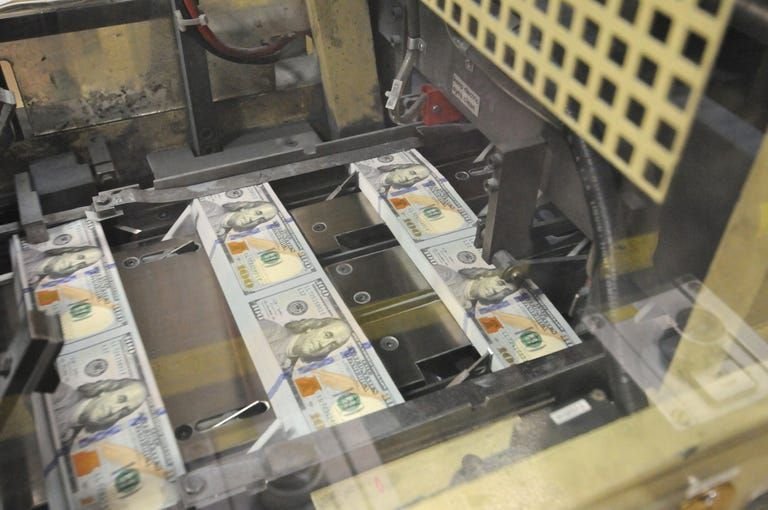
In a world where financial transactions happen at lightning speed, the concept of fake money that works might intrigue some, but it presents a severe danger to others. While the idea of “prop money” or movie money is legal for entertainment, the line blurs dangerously when discussing currency designed to deceive. At propbillz, we believe in full transparency. It is crucial to understand that while we offer the most realistic prop money for film and training purposes , using counterfeit currency with the intent to defraud is a federal crime. This post explores the reality of convincing fake bills, how to spot them, and why awareness is your best defense.
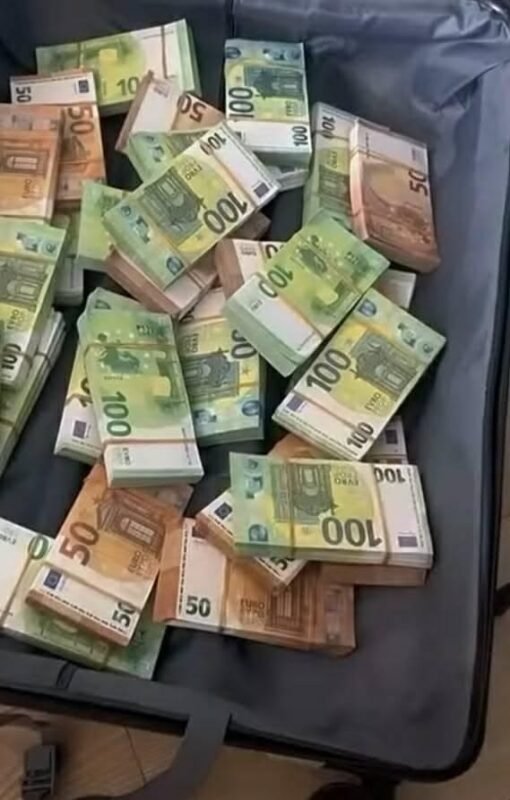
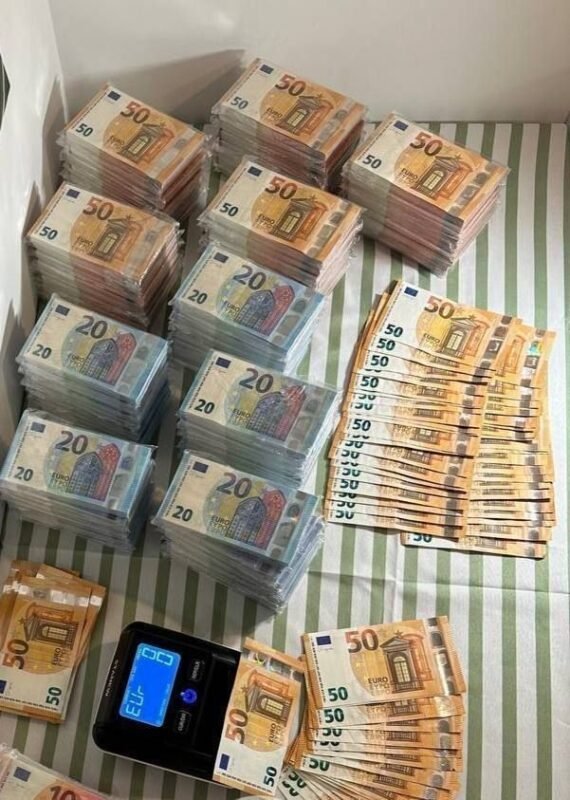
What is Fake Money That Works? The Illusion vs. Reality
When people search for “fake money that works,” they are often looking for two different things: high-quality prop money for professional use or, unfortunately, realistic counterfeit bills designed to fool the public and businesses. High-quality prop notes, like those you can explore in our Shop, are specifically designed for use in movies, photo shoots, or training exercises. They often have markings that clearly indicate they are not legal tender .
On the other flip side, counterfeit money examples that “work” are illegal replicas created to imitate real currency. These are a menace to the economy. Understanding the difference between legal prop currency and illegal counterfeits is the first step in protecting yourself.
How Do Fake Bills Pass Inspection? Common Mimicked Security Features
How do criminals manage to create convincing fake currency? They invest significant effort in replicating the intricate security features on real money. Modern banknotes include complex elements that are difficult to forge perfectly. Here’s what they copy and how you can spot fake bills:
- Watermarks and Security Threads: Real notes have watermarks that are visible when held to the light. Counterfeiters try to print these on the surface, but they usually look flat and won’t match the portrait.
- Color-Shifting Ink: On genuine US Dollar bills, the numeral in the lower right corner shifts from copper to green when tilted. High-quality fake money may attempt this, but the color change is often dull or inaccurate.
- Raised Printing: Authentic currency uses intaglio printing, which gives the ink a raised texture. Most counterfeit printing methods result in smooth, flat ink that feels different to the touch.
- Microprinting: Tiny text that looks like a line to the naked eye is used on real notes. Under magnification, counterfeit versions usually blur these lines into solid dots or smudges.
The Heavy Price of Deception: Legal Consequences of Counterfeiting
The allure of using fake currency vanishes quickly when faced with the law. The legal risks of fake currency are severe and non-negotiable. Under federal and state laws, simply possessing counterfeit money that works with the intent to defraud is a felony .
Penalties for using counterfeit money can include:
- Imprisonment: Sentences can range from years to decades in federal prison, depending on the scale of the operation .
- Heavy Fines: Convictions can result in fines up to $250,000 or more.
- Restitution: Offenders are often required to pay back the full value of the goods or money obtained fraudulently.
Law enforcement on fake bills, particularly the U.S. Secret Service, aggressively investigates counterfeiting because it undermines the economy . If you come across a suspicious note, you should report it immediately.
Stay Protected: Detecting Counterfeit Currency Tips
Why does awareness matter? Because business owners and consumers are the last line of defense. By understanding how to authenticate money, you stop losses before they happen. Here are some practical tools to verify real money and safe transaction practices:
- The “Feel” Test: Tilt the bill and feel the texture. Real currency has a distinct crispness and raised ink due to the printing process.
- The Light Test: Hold the bill up to a light source. You should see a faint image (watermark) of the portrait and a continuous security thread running vertically.
- The Magnification Test: Use a magnifying glass to check for microprinting. On a $20 bill, look for “USA 20” printed within the border.
- Use Technology: Consider using counterfeit detection pens or UV lights. These tools react to the starch in paper; real currency uses a specific blend of cotton and linen, causing the pen to mark a different color .
The Bigger Picture: Ethics and Economic Impact
The circulation of counterfeit money isn’t a victimless crime. The economic impact of counterfeiting affects everyone. When fake money enters the system, it devalues real currency and leads to inflation. Businesses that accept fake notes lose that revenue because they still have to pay their suppliers and employees with real money .
Furthermore, there are significant moral issues with counterfeit currency. It often ties into larger criminal enterprises. As seen in recent news, fake bills have even been found laced with harmful substances, posing physical risks to businesses and consumers who handle them . Using legal prop money from reputable sources ensures you are part of the creative industry, not the problem.
Conclusion: Stay Informed and Vigilant
While the quest for fake money that works is common, the context in which you use it defines the legality. For professional filmmakers, content creators, or educators, realistic prop money is an essential tool. For anyone else, attempting to pass counterfeit bills is a path to financial ruin and legal disaster.
We encourage you to browse our FAQs to understand the legitimate uses of prop currency. If you have questions about the legality of our products or need assistance, please do not hesitate to Contact Us . Stay informed, stay legal, and always verify your cash.
External Resources:
To learn about the latest security features in US currency, check out the U.S. Currency Education Program.
For more information on how the government is fighting financial crimes, visit the FBI’s Financial Crimes page.