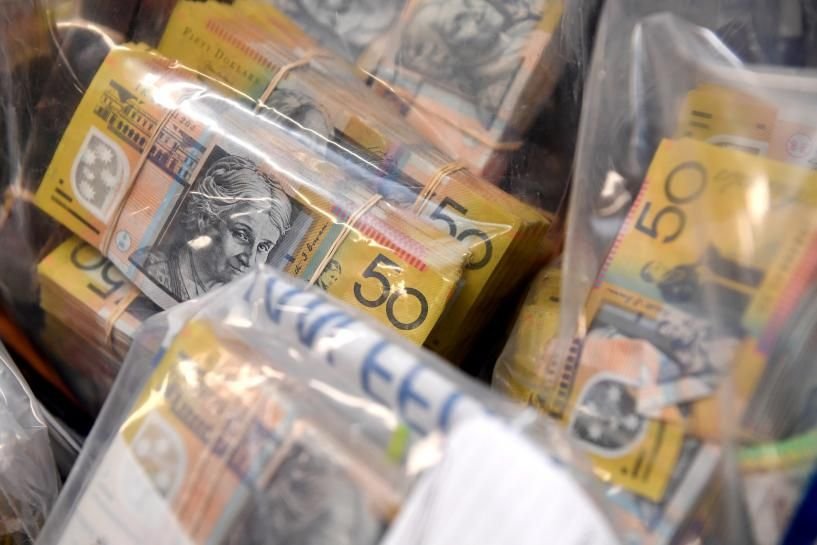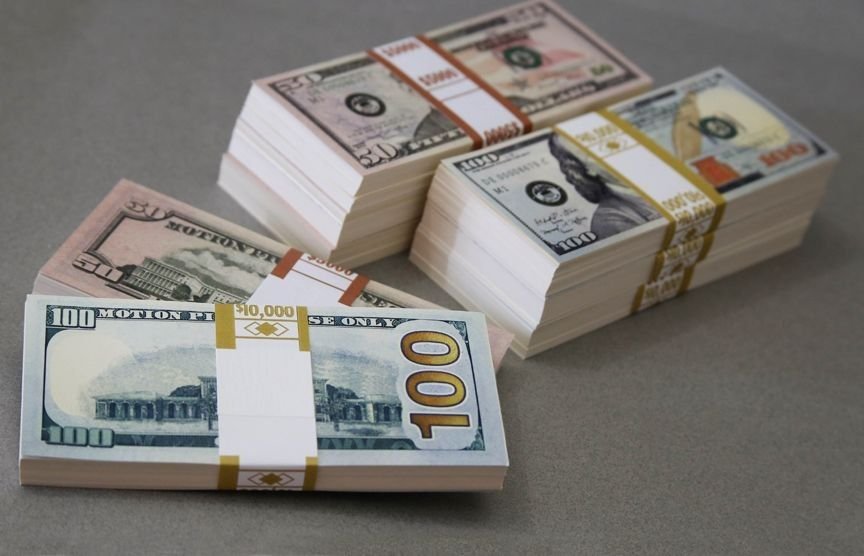

Encountering fake money nearby is a concern for anyone who handles cash, from shoppers and small business owners to servers and retail staff. While the volume of counterfeit currency in circulation is relatively low , the rise of sophisticated printing techniques means that fake bills can sometimes appear in your change. Understanding the risks and knowing how to spot the fakes is the best way to protect your hard-earned money. This guide provides a practical, step-by-step approach to identifying and avoiding counterfeit currency in your local area.
Understanding the Risks of Fake Money Circulating Nearby
The presence of counterfeit currency risks extends beyond just the individual who accepts a bad bill. When local fake bills enter the economy, they create a ripple effect. Small businesses often bear the brunt of this currency fraud awareness gap, as they may lack the advanced detection tools of banks. If you unknowingly accept a counterfeit, you are the one who loses that value—it cannot be exchanged for a genuine note . As the U.S. Secret Service notes, fraudsters often target busy environments like fast-food restaurants or dark bars where staff might be less vigilant .
Common Signs to Spot Fake Money Near You
Before reaching for a tool, use your senses. Learning how to detect fake bills is your first line of defense. Genuine currency has specific tactile and visual elements that are difficult to replicate. Here is what to look for when examining counterfeit money features.
1. The Feel of the Paper
Authentic U.S. currency is not printed on regular paper; it is a blend of 75% cotton and 25% linen . This gives it a distinct, slightly raised texture that feels durable and slightly “crisp.” If a bill feels smooth, waxy, or flimsy like standard printer paper, you should be suspicious.
2. Visual Security Marks on Currency
Take a close look at the portrait and the borders. Genuine details are sharp and well-defined, while fakes often have blurred edges or “mushy” features. One of the most reliable security marks on currency is the color-shifting ink. On newer $10, $20, $50, and $100 bills, the numeral in the lower right corner should change color from copper to green when you tilt the note .
3. Checking for Watermarks and UV Security Threads
Hold the bill up to a light. You should see a faint image (a watermark) matching the portrait, which is embedded in the paper, not printed on it . You should also see a vertical security thread running from top to bottom. This thread is embedded in the paper and will glow a specific color under a UV light—for example, a $100 bill glows pink, while a $20 bill glows green .
Tools and Techniques for Verifying Currency Authenticity Quickly
While your eyes and fingers are powerful tools, technology can provide an extra layer of security, especially in a fast-paced business environment. If you are looking for props or educational materials to train staff on these features, you might explore the realistic samples available at Prop Bills. For authentic verification, here are some reliable methods.
Using a Money Detector Pen and UV Light
A money detector pen is a common tool that reacts with starch in wood-based paper, turning dark if the bill is likely fake. However, these pens are not foolproof. Sophisticated counterfeiters can “wash” lower-denomination bills and reprint higher values onto them, which will pass the pen test . Therefore, a UV light counterfeit detector is often more reliable, as it verifies the presence of the fluorescent security thread.
Exploring Cash Verification Apps
Technology is making verification more accessible. Researchers are developing advanced cash verification apps that use portable counterfeit detectors and AI to analyze security features in real-time . While high-end commercial systems are available, staying informed about new detection methods is key to avoiding loss. For a deeper understanding of how currency security evolves, you can visit the official U.S. Currency Education Program at uscurrency.gov .
Where is Fake Money Most Likely to Appear Nearby?
Being aware of fake money hotspots can help you stay alert. Local scams with fake bills often occur in high-volume, low-scrutiny environments. This includes outdoor markets, concession stands at sporting events, garage sales, or during the busy holiday shopping season when cash registers are overwhelmed . Be particularly cautious of markets with counterfeit circulation involving small, independent vendors where lines are long and lighting is poor.
What To Do If You Encounter Fake Money in Your Area
Discovering a suspicious bill can be stressful, but knowing the protocol for reporting counterfeit currency is crucial. If you suspect you have received a fake note, do not return it to the person who gave it to you.
- Handle it Carefully. Place the bill in an envelope to preserve it and avoid further handling .
- Document the Details. Write down the date, time, and any description of the person who passed the bill, including vehicle information if possible .
- Notify the Authorities. Your primary step in notifying authorities about fake money nearby is to contact your local police department . In the U.S., they will often work in conjunction with the U.S. Secret Service to investigate .
- Protect Your Finances. Remember, passing the bill to someone else is illegal, even if you didn’t know it was fake. By reporting it, you are actively protecting your finances from scams and helping your community stay safe.
Conclusion: Stay Vigilant Against Fake Money Nearby to Protect Yourself and Your Community
The best defense against fraud is knowledge. By familiarizing yourself with the security features of your currency and staying aware of your surroundings, you significantly reduce the risk of falling victim to counterfeiters. Whether you run a business or simply use cash for daily purchases, a few seconds of inspection can save you from a significant loss. If you need educational resources or high-quality replicas for training purposes, be sure to check out our FAQs page or Contact us for more information. Stay vigilant, and help keep your community’s economy secure.