
Understanding the Risks of Fake 100 Dollar Bills
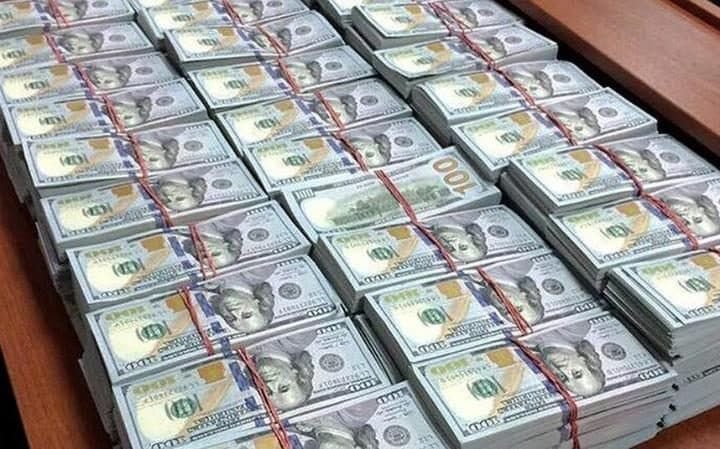
The impact of counterfeit money extends far beyond the initial victim. When a business unknowingly accepts a fake 100 dollar bill, they lose both the product sold and the genuine cash they gave in change. For small businesses, this can severely impact their bottom line . Moreover, the circulation of counterfeit currency undermines the integrity of the financial system. Law enforcement agencies, such as the U.S. Secret Service, work diligently to investigate these crimes, emphasizing that counterfeiting is not a victimless offense .
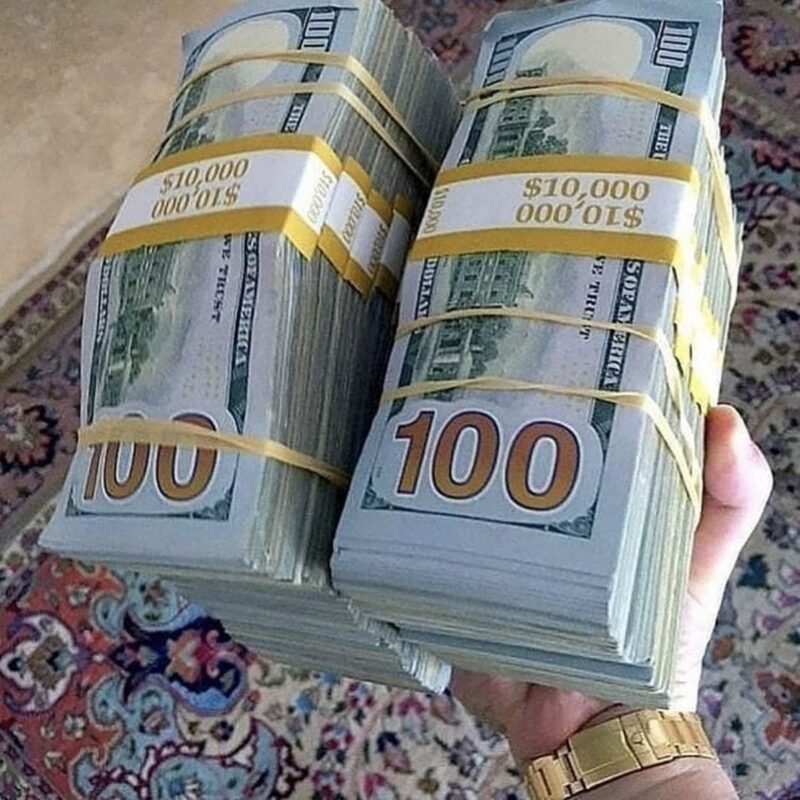
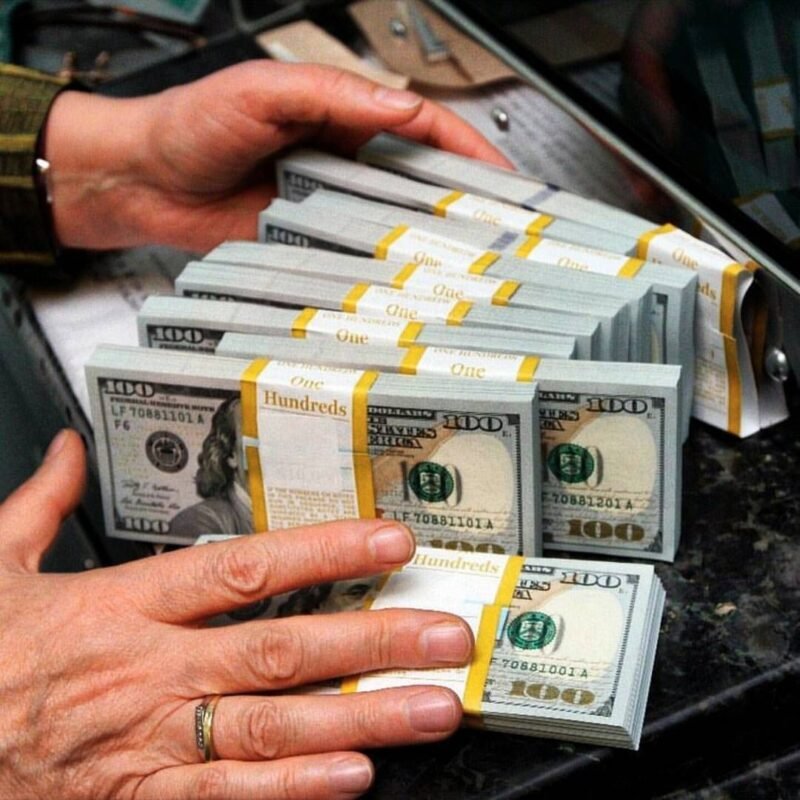
Common Features of Genuine 100 Dollar Bills to Know
To effectively spot a fake, you must first be intimately familiar with the real thing. Modern $100 bill security features are designed to be easily verified by the public. The U.S. government has integrated several sophisticated elements that are difficult for counterfeiters to replicate accurately.
Key Security Features
- 3-D Security Ribbon: A blue ribbon woven into the paper, not printed on it. When you tilt the note, images of bells and “100”s shift and move .
- Color-Shifting Ink: Look at the bell in the inkwell and the numeral “100” in the lower right corner. Tilt the bill to see the color change from copper to green .
- Watermark: Hold the bill up to the light. You should see a faint image of Benjamin Franklin to the right of the portrait. This is visible from both sides of the note .
Techniques Used by Criminals to Produce Fake 100 Dollar Bills
Understanding the enemy helps in defense. Gone are the days when counterfeiting required heavy printing presses. Today, many criminals use digital methods. However, some revert to traditional tricks that can fool the untrained eye.
Modern Printing Methods and Chemical Alteration
Many counterfeiters now use high-resolution inkjet printers to produce fake notes. While these often feel different due to the lack of raised ink, the quality can sometimes be deceiving . A particularly deceptive technique is “bleaching.” Criminals take lower denomination bills, like $1 or $5 notes, and chemically strip them of their original ink. They then print a fake 100 dollar bill design onto the authentic paper. This method is dangerous because the paper will pass the standard counterfeit detection pen test, which detects starch in common paper, not the authenticity of the print .
Effective Ways to Detect Fake 100 Dollar Bills Quickly and Accurately
Protecting yourself doesn’t require being an expert. A simple three-step process of feeling, tilting, and checking can reveal most counterfeits. For those looking for high-quality prop money for educational or entertainment purposes, you can explore options like our Prop Bills , which are clearly marked and legal to use, unlike the illicit notes discussed here.
The “Feel, Tilt, Check” Method
- Feel the Texture: Genuine U.S. currency is made of a blend of 75% cotton and 25% linen, giving it a distinct, slightly rough texture . Run your fingernail down the jacket of Franklin’s portrait; you should feel the raised ink, a feature impossible to replicate with standard printing .
- Tilt the Bill for Color-Shifting Ink: As mentioned earlier, tilt the bill and watch the inkwell bell and the large “100” in the lower right corner change color .
- Check for Blurriness and Borders: Examine fine lines on the portrait background and the border. On genuine bills, these lines are clear and sharp. Counterfeit bills often have blurred or broken lines due to lower printing resolution .
Advanced Tools and Their Limitations
While a counterfeit detection pen test is a common first line of defense, it is not foolproof. It reacts to starch, which is present in wood-based paper. If a bill is a bleached lower denomination, the pen will not mark it . For a more reliable check, use a UV light. Genuine bills have a security thread that glows a specific color—pink for the $100 bill—under ultraviolet light . Always combine tool use with visual and tactile inspection.
The Legal Consequences of Possessing or Using Fake 100 Dollar Bills
The legal risks associated with counterfeit money are severe. Whether you intentionally create, distribute, or unknowingly attempt to pass a fake bill, the consequences can be life-altering. The U.S. Secret Service actively investigates counterfeit money laws violations, and convictions can lead to substantial prison time. For instance, repeat offenders have faced sentences of five years or more in federal prison for manufacturing and passing counterfeit currency . If you suspect you have received a counterfeit note, do not return it to the passer. Contact your local police department or your local Secret Service field office immediately . If you are interested in the design of currency for collection purposes, perhaps you might enjoy our selection of Euro Bills , which are produced for decorative use only.
Conclusion: Stay Vigilant Against Fake 100 Dollar Bills
The best defense against fake 100 dollar bills is a combination of knowledge and vigilance. By taking a few extra seconds to examine the currency you receive, you can protect yourself and your business from financial harm. Remember the key features: feel the texture, look for the watermark and security thread, and tilt the note to see the color-changing ink. For collectors or those needing realistic replicas for film or training, it is crucial to purchase from reputable sources. If you have questions about currency or our products, feel free to Contact Us . We also recommend reviewing the FAQs for more information on legal prop currency. For further authoritative information on real currency security, visit the official U.S. Currency Education Program website . Stay informed, stay vigilant, and always know your money.