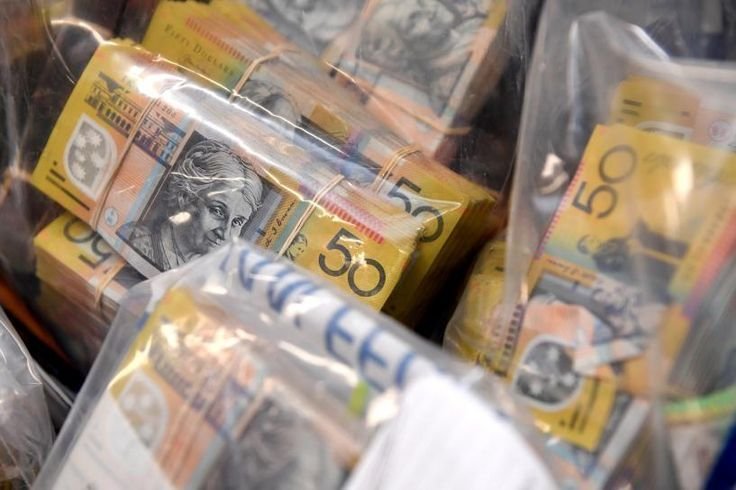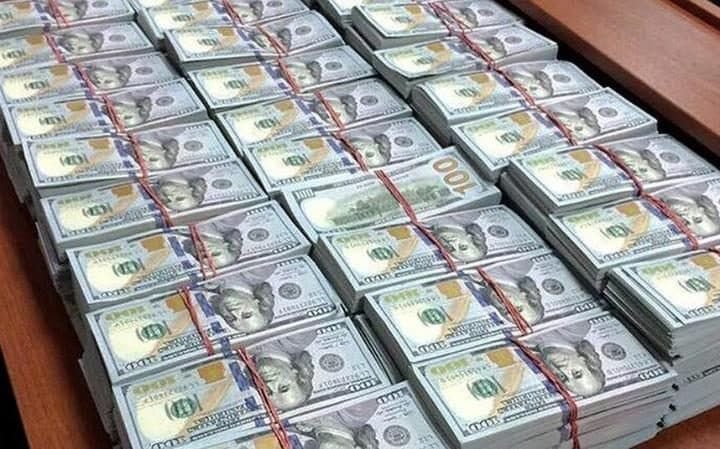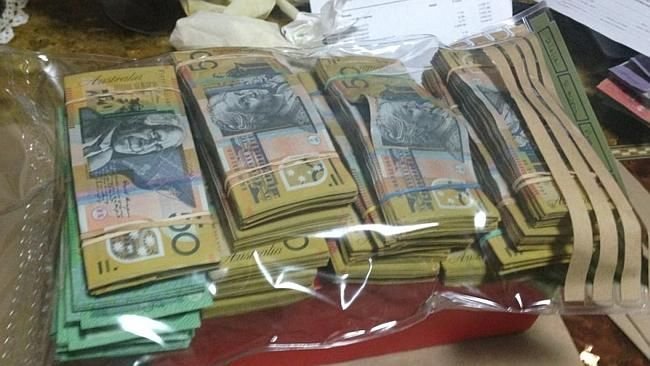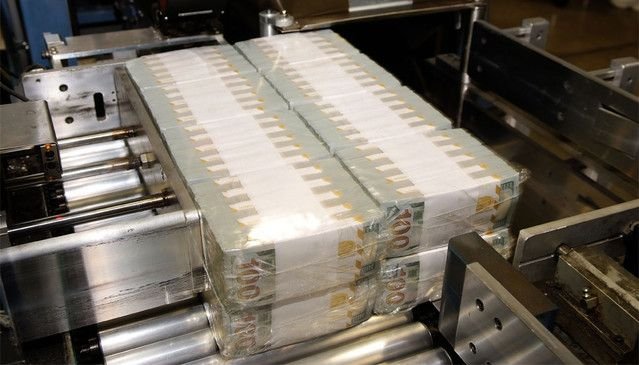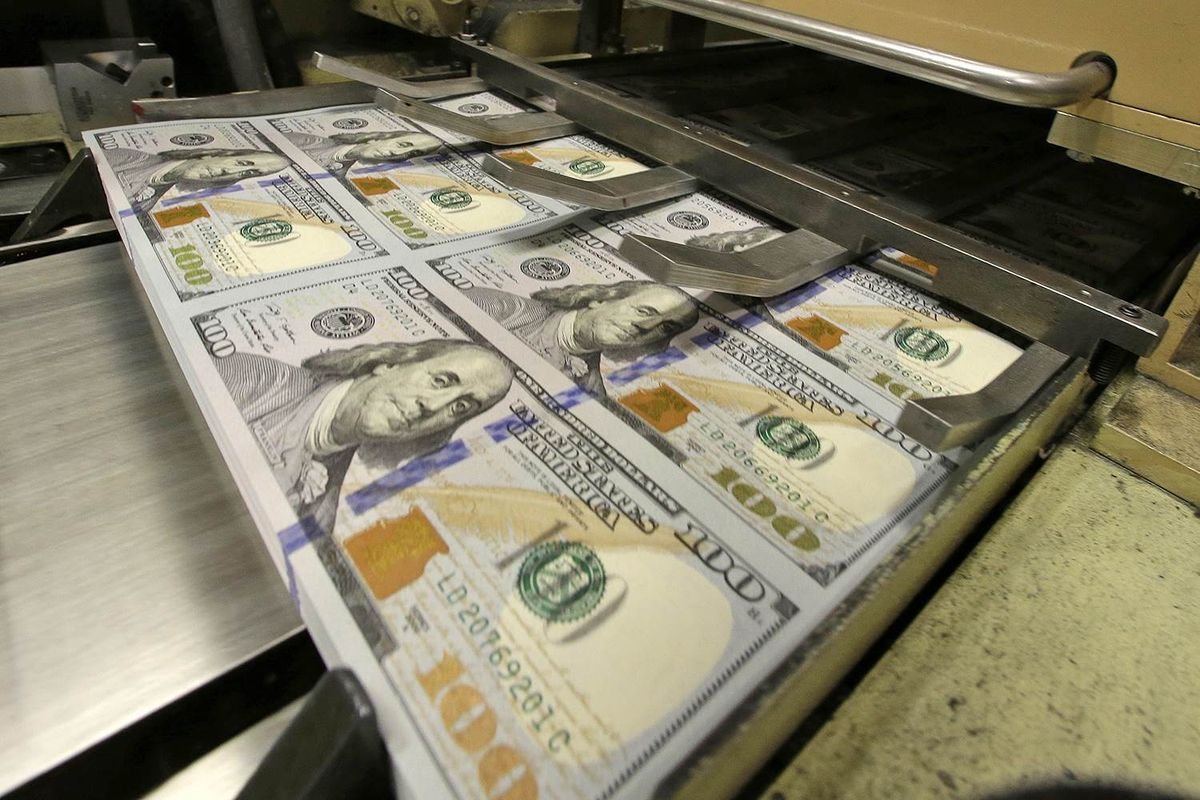

The allure of undetectable counterfeit money for sale is a persistent myth that preys on individuals seeking financial gain through deception. In the digital age, online platforms and dark web marketplaces are flooded with ads for “high-quality counterfeit currency,” “replica bills,” or “prop money” that sellers claim can pass as real. However, the reality is starkly different from the fiction. While technology has advanced printing techniques, the idea of truly undetectable fake money is a dangerous fantasy. Law enforcement agencies, including the United States Secret Service, continuously adapt to these threats, making the possession or use of counterfeit cash a high-risk endeavor with severe legal consequences . This article aims to dissect the realities of counterfeit currency, the technology behind it, and the immense risks involved in seeking it out.
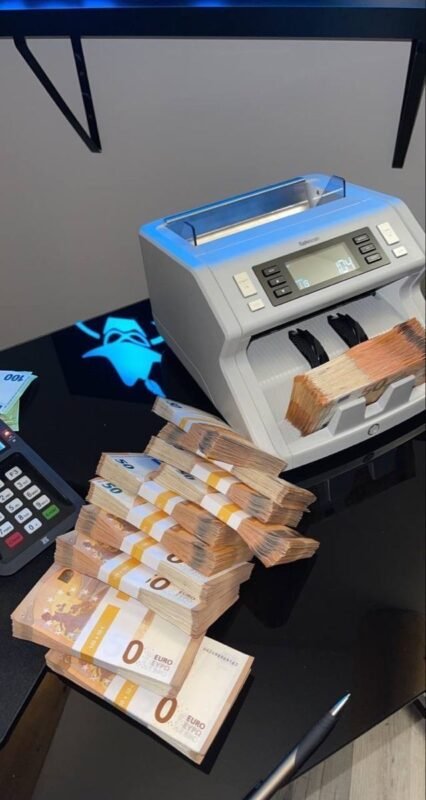
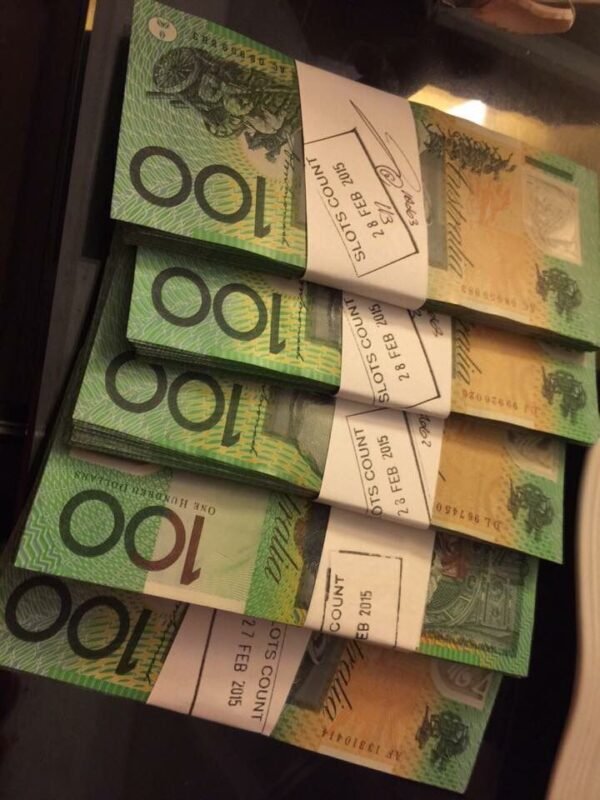
What is Undetectable Counterfeit Money?
The term “undetectable counterfeit money” refers to fake banknotes produced with the intention of being indistinguishable from genuine legal tender. Sellers often market these as “sophisticated fake money” or “invisible counterfeit money,” boasting that they can bypass even the most rigorous security checks. They claim to replicate everything from the feel of the paper to the complex security features embedded in real currency.
The Technology Behind Undetectable Counterfeit Money
Creating a convincing counterfeit is no small feat. Modern currency, like the US Dollar, incorporates a range of sophisticated security features designed to thwart replication efforts .
- Advanced Printing Techniques: While counterfeiters may use high-resolution printers, genuine currency uses intaglio printing, a process that creates raised ink that can be felt. This tactile element is incredibly difficult to mimic perfectly.
- Security Feature Replication: Real bills contain elements that are challenging to reproduce . These include:
- Watermarks and Security Threads: Embedded in the paper itself, these are visible when held to the light and often feature microprinting .
- Color-Shifting Ink: The ink on the lower-right corner of denominations $10 and higher changes color when the bill is tilted .
- 3-D Security Ribbons: Found on newer notes like the $100 bill, these ribbons feature images that move and shift with the angle of view .
- Counterfeit Detection Challenges: The goal for law enforcement is to stay ahead of these counterfeiting detection challenges. As printing technology becomes more accessible and affordable, the Secret Service and other agencies invest heavily in research and advanced counterfeit deterrence .
The Legal Consequences of Buying or Selling Counterfeit Money
Engaging with offers of undetectable counterfeit money for sale, whether as a buyer or seller, carries severe criminal penalties. Counterfeiting is not a victimless crime; it undermines the integrity of the financial system.
- Counterfeiting Laws: Under federal law, it is illegal to produce, possess, or pass counterfeit currency with the intent to defraud. The penalties for violating these laws are severe, often including hefty fines and decades in federal prison. The government holds an exclusive property interest in the distinctive paper and deterrents used in currency .
- Criminal Penalties for Fake Money Possession: You do not have to be the one printing the money to face serious charges. Simply possessing counterfeit currency, knowing it to be fake, is a federal crime. The government aggressively tracks and prosecutes these offenses to maintain confidence in U.S. currency.
- Law Enforcement Tracking Counterfeit Currency: Agencies like the San Francisco Police Department have specific procedures for handling counterfeit currency, which includes documenting serial numbers and notifying the Secret Service immediately . This sophisticated tracking network means that passing a single fake bill can quickly lead investigators back to the source.
Why You Should Avoid Purchasing Undetectable Counterfeit Money for Sale
Beyond the obvious legal dangers, there are profound ethical and financial reasons to steer clear of counterfeit currency.
- Ethical Implications Counterfeit Cash: Counterfeiting devalues the currency that honest people work for. When fake money enters circulation, it can lead to inflation and a loss of confidence in the economy. It is, in essence, stealing from businesses and individuals who accept the cash in good faith.
- Financial Fraud Risks: If you are caught attempting to use counterfeit money, you are not only subject to arrest but also face significant financial liability. You will be responsible for the full face value of the fake bills, plus potential fines and court costs.
- Personal Liability Issues: As the Federal Reserve clearly states, if you end up with a counterfeit note, you cannot exchange it for a genuine one, and you will lose that money . The risk of personal financial loss is immediate and absolute.
For those interested in the legitimate side of currency collection or theatrical props, it is crucial to source items from reputable sources. For instance, you can explore our Shop for Prop Bills specifically designed for movies, theatre, and training, which are clearly marked and legal to own. These items are manufactured to be easily distinguishable from real currency, unlike the illegal undetectable counterfeit money for sale online.
Recognizing and Reporting Suspected Counterfeit Currency
Given the sophistication of some counterfeit operations, vigilance is your best defense. Knowing how to detect fake money is essential for anyone handling cash.
- Feel the Texture: Genuine currency has a distinct texture from the blend of cotton and linen fibers and the raised printing created by intaglio printing.
- Check the Security Features: Hold the bill up to the light to look for the watermark and security thread. Tilt the bill to see if the ink in the lower right corner changes color .
- Look for Blurriness: Because genuine currency uses very fine lines and intricate engraving, counterfeit bills often have blurred borders, dull or uneven coloring, and unsharp text.
If you suspect you have received a counterfeit bill, do not return it to the passer. If you are in the United States, you should immediately notify the local police . Try to remember the physical description of the person who gave you the bill and note any vehicle descriptions or license plate numbers. Handle the note as little as possible to preserve any fingerprints and place it in a protective cover, like an envelope, before handing it over to law enforcement. For more guidance on handling such situations, feel free to Contact Us. You can also learn more about our commitment to authenticity on our About Us page.
Conclusion: Protect Yourself by Staying Informed
The promise of undetectable counterfeit money for sale is a dangerous trap. The technology used by mints like the Bureau of Engraving and Printing is world-class, and the teams tasked with protecting the currency, such as the Secret Service, are highly effective . The legal, financial, and ethical risks far outweigh any perceived benefit.
By educating yourself on the security features of genuine currency and remaining vigilant, you protect not only yourself but also the integrity of the financial system. For reliable resources on currency authentication, you can visit the official U.S. Currency Education Program at uscurrency.gov to learn more about the security features of your money. Stay informed, stay legal, and avoid the counterfeit trap at all costs.