
In today’s digital age, stumbling upon a website offering luxury handbags or high-end electronics for a fraction of the retail price is quite common. While the deal might seem tempting, it raises a critical question: is it illegal to buy counterfeit goods? The straightforward answer is yes. Purchasing fake products is not a victimless crime; it carries legal risks and significant ethical implications. Before you click “add to cart,” it is essential to understand the laws surrounding counterfeit merchandise and the potential consequences for consumers.

Understanding Counterfeit Goods: Definition and Risks
Counterfeit products, often called fake goods definition or knockoff items, are unauthorized replicas of a branded product. They infringe on trademarks and patents, designed to deceive consumers into believing they are purchasing the authentic article. The risks associated with these items extend far beyond poor quality.
As highlighted by the German Patent and Trade Mark Office, counterfeit merchandise risks include direct harm to your health and safety . Fake cosmetics might contain toxic chemicals like arsenic or even urine, while counterfeit electronics are prone to overheating and causing fires . Furthermore, buying these goods often inadvertently funds organized crime networks .
The Legal Implications of Buying Counterfeit Goods
Is it Illegal for Consumers to Purchase Fakes?
While the act of simply owning a fake item for personal use might fall into a legal grey area in some jurisdictions, the act of purchasing it is where the law intervenes. Many people assume that only the sellers face legal consequences of buying fakes, but this is a misconception. In the United States, federal law criminalizes trafficking in counterfeit goods, and consumers who knowingly import such items can face severe penalties .
Penalties and Enforcement
There are strict laws against counterfeit purchases. For instance, if customs officials intercept a package containing fakes, they can seize and destroy the goods. In some cases, individuals may face fines or even prosecution . The penalties for counterfeit buyers can be steep; under U.S. Code, trafficking in counterfeit goods can lead to fines up to $2,000,000 and imprisonment for up to 10 years for a first-time offense .
How Different Countries Handle the Purchase of Counterfeit Items
The legal landscape for international counterfeit laws varies significantly. In the European Union, country-specific regulations on fake goods are stringent. All EU member states prohibit the possession of counterfeit goods. If you are crossing a border with a fake designer bag, mobile customs officers can penalize you, and you bear the burden of proving the item is authentic .
Customs enforcement on counterfeits is aggressive worldwide. In the U.S., CBP actively seizes shipments containing inauthentic merchandise. In fiscal year 2025 alone, they seized nearly 79 million counterfeit items, with a combined estimated value of over $7.3 billion . This demonstrates how seriously authorities take the issue.
The Impact of Buying Counterfeit Products on Brands and Consumers
Economic Damage and Brand Reputation
The effects of counterfeit buying are devastating to the global economy. Legitimate businesses lose billions in revenue annually, which directly leads to job losses. The U.S. economy loses an estimated $200 billion each year due to counterfeiting, resulting in the loss of roughly 750,000 American jobs . This brand reputation damage is long-lasting, as companies struggle to compete with cheaper, illegal copies.
Consumer Safety Risks from Fakes
Perhaps the most alarming consequence is the danger posed to individuals. Consumer safety risks from fakes are prevalent across all industries. Counterfeit car parts, such as brake pads, can fail, causing accidents. Fake medicines might contain the wrong dosage of active ingredients or none at all, leading to treatment failure or even death .
How to Identify Authentic vs. Counterfeit Goods Before You Buy
Protecting yourself requires vigilance. There are several reliable methods for spotting fake products tips. First, always be wary of prices that are significantly lower than the market standard—if it seems too good to be true, it probably is .
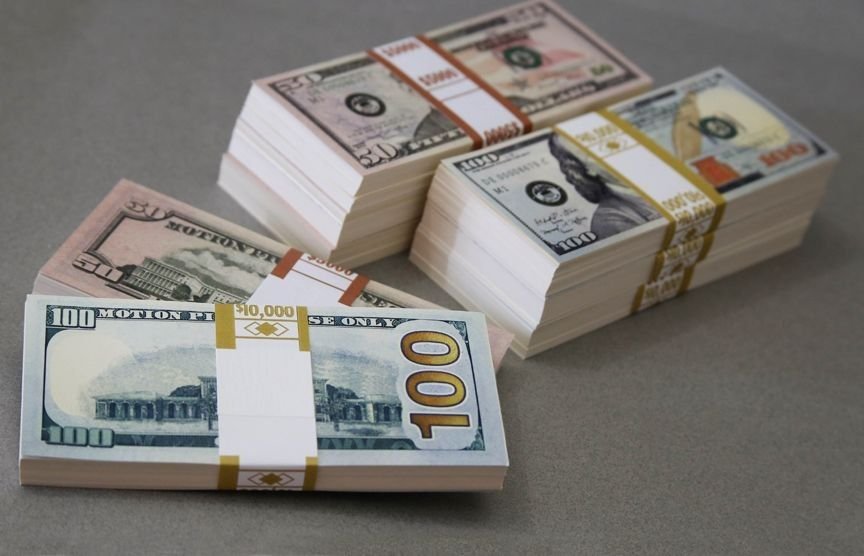
Before purchasing, engage in authentic product verification. Check the seller’s reputation thoroughly. Look for reviews and ensure the website has a valid return policy and secure payment options (look for “https://” in the URL) . If you are still unsure, compare the item’s packaging and quality to images on the brand’s official website. Avoiding counterfeit scams is easier when you buy from authorized retailers. If you need high-quality replicas for theatrical or film purposes, it is safer to explore legal alternatives. For instance, you might browse our Shop for Prop Bills or other replica items explicitly sold for professional use, ensuring you are not violating trademark laws.
Conclusion: Why Avoiding Counterfeit Purchases Protects You and Supports Ethical Commerce
So, is it illegal to buy counterfeit goods? Yes, and the risks far outweigh the temporary thrill of a bargain. From potential legal battles and financial penalties to unknowingly supporting criminal enterprises, the consequences are severe. By choosing authenticity, you protect your safety, respect intellectual property laws, and support a fair economy.
If you have questions about the legitimacy of certain replica items or need to contact us for clarification, please visit our Contact Us page. For more information on our commitment to quality and the types of products we offer, you can read more on our About Us page. Always choose to shop smart and stay safe.